

Northwest Vietnam

One of the most significant historical landmarks in Northwest Vietnam is Dien Bien Phu, where the decisive battle of the First Indochina War took place in 1954. Here, amidst the remnants of bunkers, trenches, and memorials, photographers can immortalize the solemn echoes of history and the enduring spirit of resilience.
But the allure of Northwest Vietnam extends far beyond its historical sites. It’s a land where ancient temples, pagodas, and cultural relics provide endless inspiration for photographers seeking to capture the essence of Vietnam’s storied past. From the intricate carvings of Nghia Lo’s temples to the time-worn facades of Mu Cang Chai‘s stilt houses, each frame tells a story of centuries-old traditions and heritage.
Venture into the bustling markets of Sapa or Bac Ha, and you’ll find a kaleidoscope of colors and textures begging to be captured through the lens. From the vibrant fabrics of ethnic minority costumes to the bustling energy of trade and commerce, these markets offer endless opportunities for photographers to document the vibrant pulse of Northwest Vietnam’s cultural life.
As you journey through the region, be sure to explore the villages and communities of Northwest Vietnam’s ethnic minorities. Here, amidst the traditional stilt houses and lush landscapes, photographers can capture intimate portraits of daily life, offering a glimpse into the rich tapestry of ethnic diversity that defines the region.
Whether you’re trekking through terraced rice fields, exploring ancient temples, or documenting the daily rituals of ethnic minority communities, Northwest Vietnam promises photographers an unforgettable adventure filled with stunning vistas, rich cultural heritage, and captivating moments waiting to be captured for eternity. Welcome to a land where every frame tells a story, inviting you to explore its secrets and unveil its treasures through the lens of your camera.
The Provinces Today (and Yesterday)
In 2025, Vietnam merged several provinces, leaving the Northwest with five provincial-level units. Many cultural associations still linger from the older names, so here’s how to navigate both the new map and the older identities travelers may recognize:
- Phu Tho & Hoa Binh: A gateway to Vietnam’s northwest, these provinces blend lush mountains with rich cultural heritage, from sacred Hung Kings temples to peaceful Muong villages and emerald lakes. Ideal for travelers seeking soft adventure and authentic rural life.
- Son La: Known for its terraced hills, cool climate, and ethnic diversity, Son La offers a mix of misty highlands, tea plantations, and vibrant tribal markets. It’s a quieter alternative to more crowded mountain destinations.
- Lao Cai & Yen Bai: Home to iconic Sapa and Mu Cang Chai, this region boasts dramatic rice terraces, colorful ethnic cultures, and breathtaking trekking routes. Perfect for landscape lovers and photographers.
- Dien Bien: A historic province surrounded by remote valleys and rugged mountains, famous for the Dien Bien Phu battlefield and ethnic Thai culture. It feels wild, raw, and deeply connected to Vietnam’s past.
- Lai Chau: One of Vietnam’s least-explored areas, Lai Chau features towering peaks, hidden waterfalls, and serene ethnic villages. Ideal for adventurous travelers craving untouched nature and off-the-radar experiences.

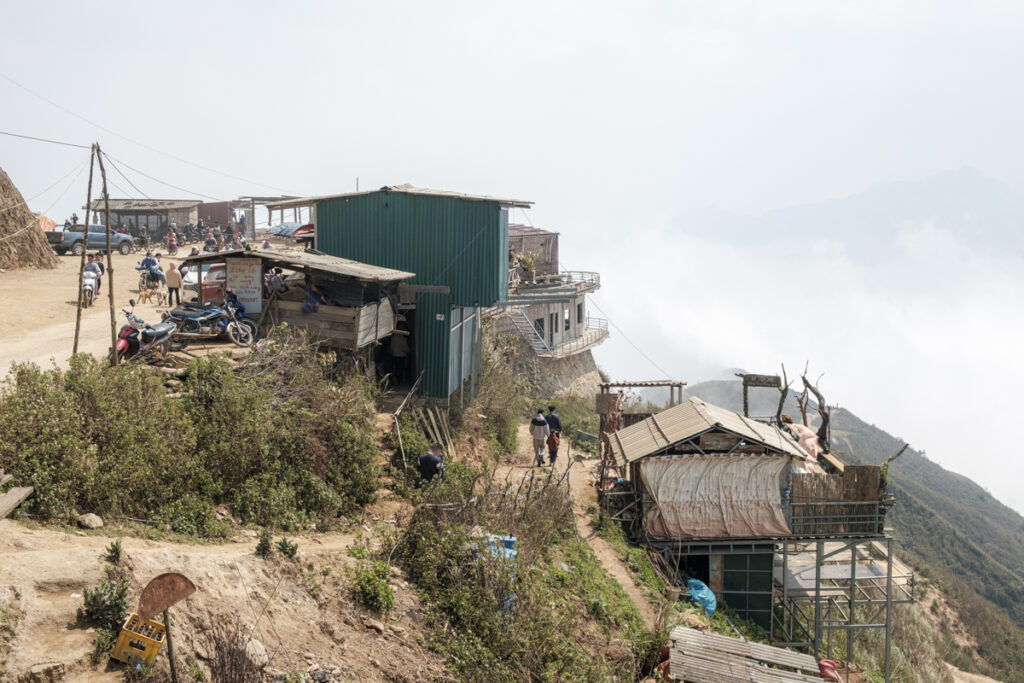
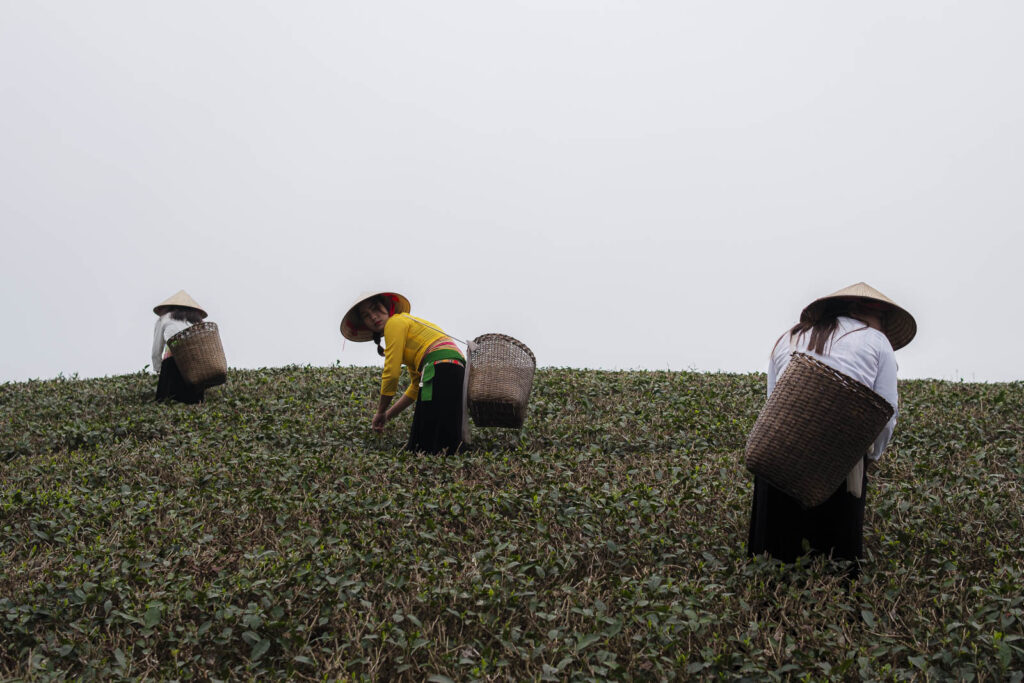
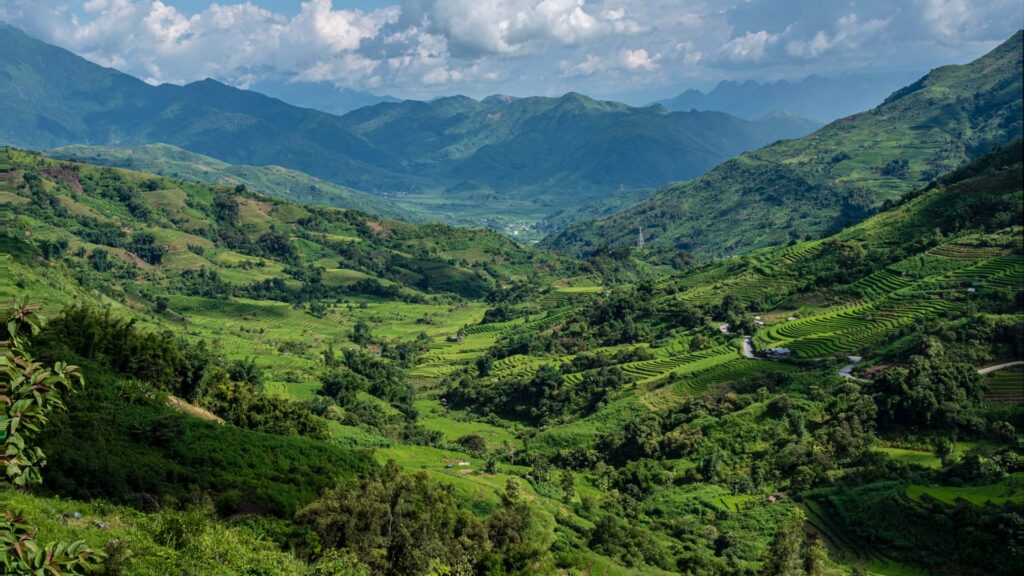
When to Visit (Through a Photographer’s Lens)
- Spring (February – April): Soft, diffused light with cool mornings, tea hills turning vibrant green, and plum/peach blossoms in Son La, Lai Chau, and Yen Bai. Misty valleys create dreamy sunrise shots.
- Summer (May – August): Lush greenery and dramatic skies, with terraced paddies filling with water in May–June (“mirror season”)—perfect for reflections and symmetry. July–August brings vibrant green terraces but also occasional heavy rain for moody landscapes.
- Autumn (September – October): The golden season—rice terraces in Mu Cang Chai, Sapa, and Lai Chau reach peak color. Clearer skies and crisp air make this the best time for iconic wide-angle mountain shots.
- Winter (November – January): Dry, clear mornings with strong contrasts; mountain villages in Lao Cai, Lai Chau, and Dien Bien often sit above blankets of clouds. Very cold at high altitudes but excellent for sunrise, cloud-hunting, and atmospheric portraits.