In recent years, the far northern province of Ha Giang has become a travel hotspot in Vietnam—perhaps "a little too hot". Today, convoys of easy-riding backpackers cruise the mountain roads, and the sound of karaoke fills the village air at night.
But it wasn't always this way. Vietnam in Focus founder, Alex Sheal, recently reflected on his early experiences exploring this frontier region and the first photo tours we ran there over a decade ago.
The Road Less Traveled
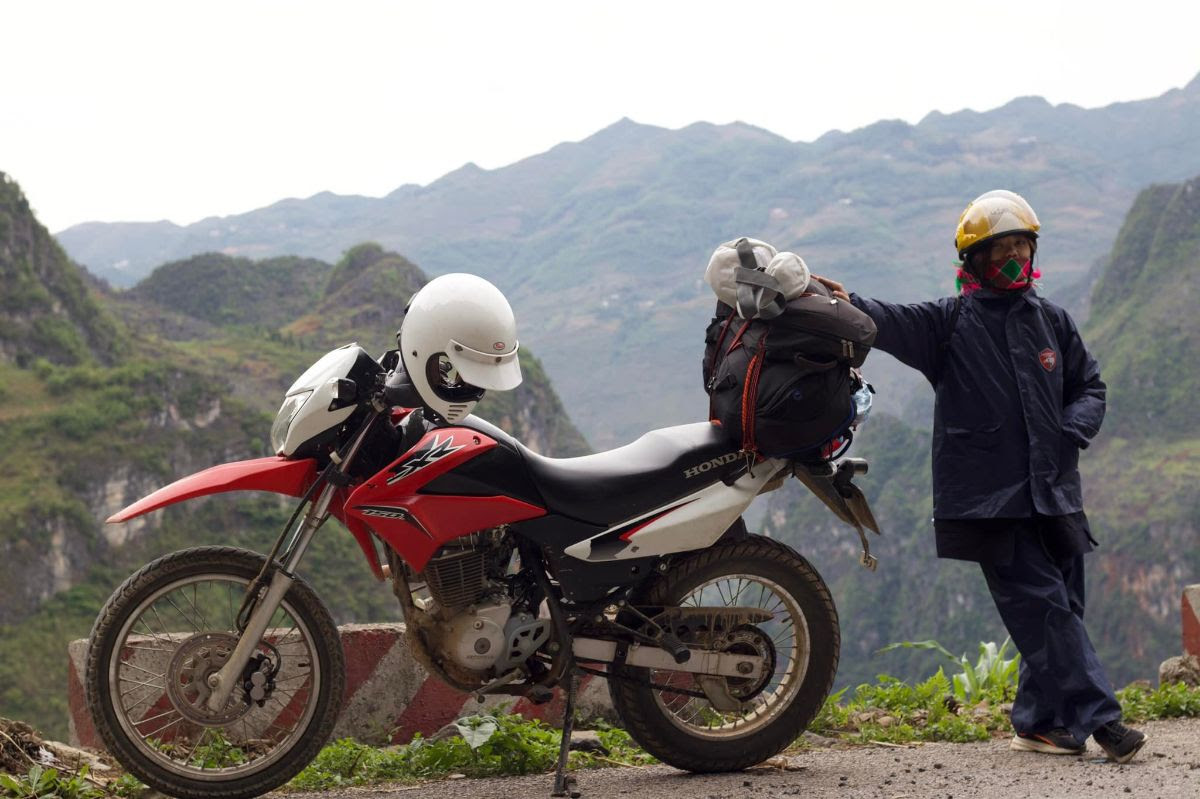
Fifteen years ago, Ha Giang was a place entirely off the tourist map, long before homestays sold out and motorcycles filled the passes. In the early 2010s, poor roads, minimal services, and a language barrier left the province feeling profoundly cut off. For the international travelers who ventured there, those experiences remain irreplaceable.
Alex recalls his 2009 Lunar New Year trip from Hanoi. The available buses were overcrowded, with motorbikes tied to the roof and passengers carrying chickens onboard. Because the Hanoi - Lao Cai Expressway was not yet built, traffic moved along the old National Highway 2, doubling travel times. On the 10-hour journey, with the bus aisle packed, he remembers having to climb out of the window when the bus stopped.
Unlike today, when guesthouses in places like Dong Van District and Lo Lo Chai Village sell out weeks in advance, booking a place to stay ahead of time was impossible due to poor communication.
A Raw, Unseen Beauty
Upon arrival, Alex met a local man, 'Johnny Nam,' who rented bikes and helped arrange permits to enter the restricted frontier zone. On their second day, they rode to Dong Van.
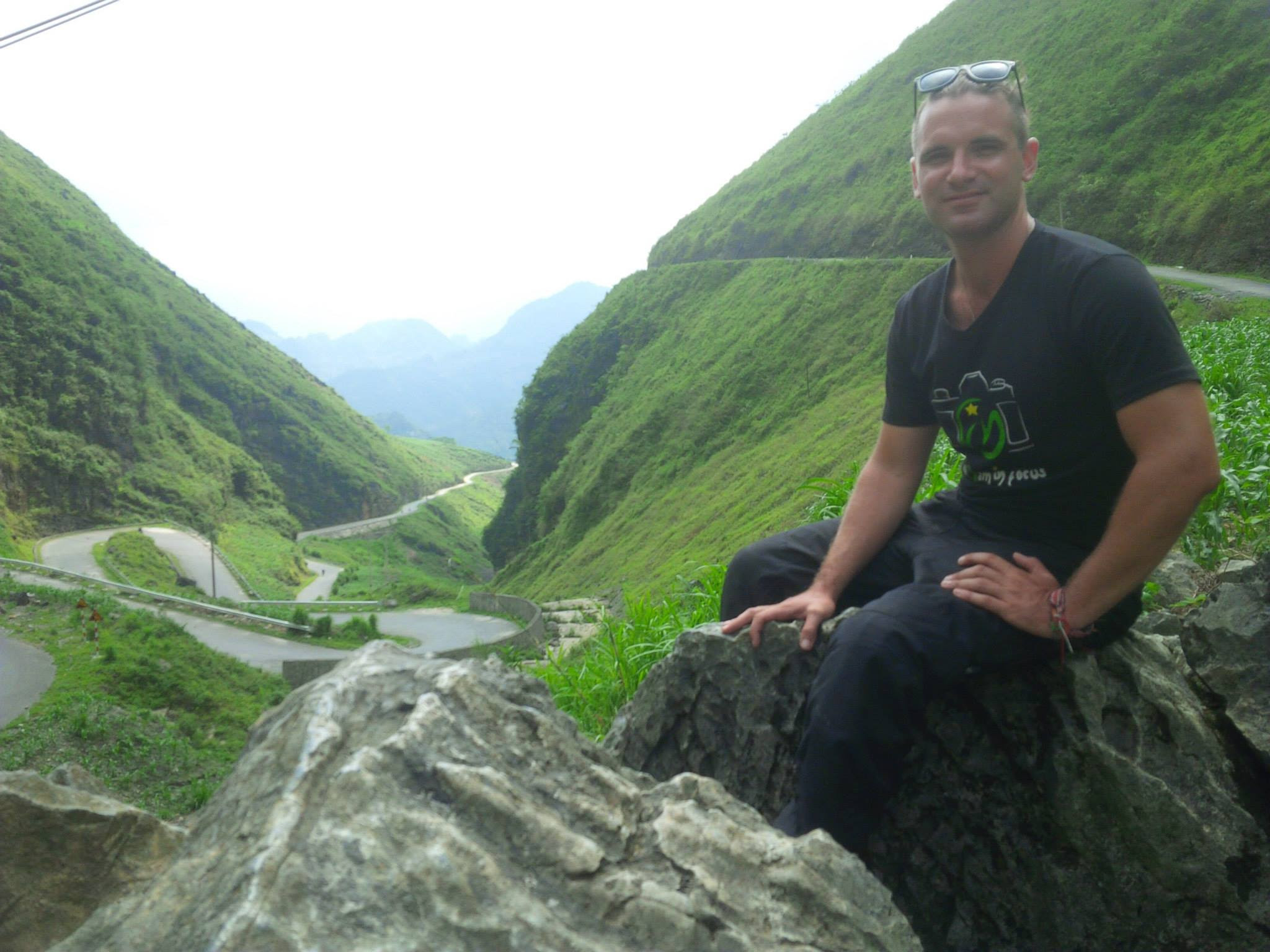
“Ha Giang was different back then, the roads were terrible,” Alex recounts. Near Yen Minh District, his group encountered a landslide and had to push their bikes through rocks and debris. Despite the difficulties, the scenery was stunning, and they could take photos without crowds, though the cliffs lacked barriers, making it risky.
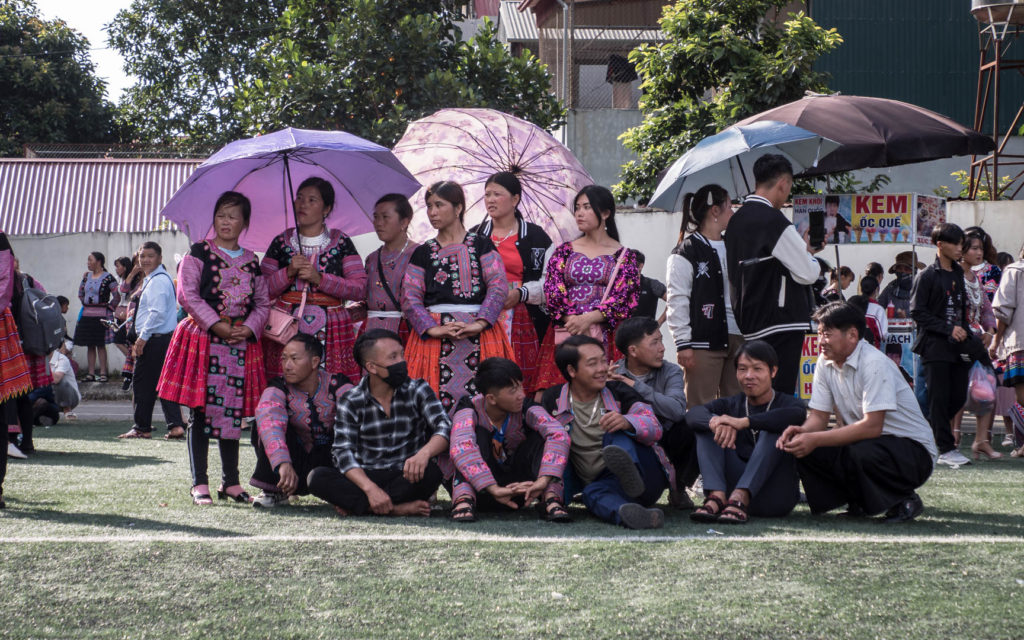
On Lunar New Year’s Eve, Alex stayed at a friend’s home in Dong Van, arranged through Johnny Nam. After midnight, they visited neighbors to celebrate. On the first day of Tet, they rode across Ma Pi Leng Pass to Meo Vac Commune, after watching ethnic communities arrive in colorful clothes.
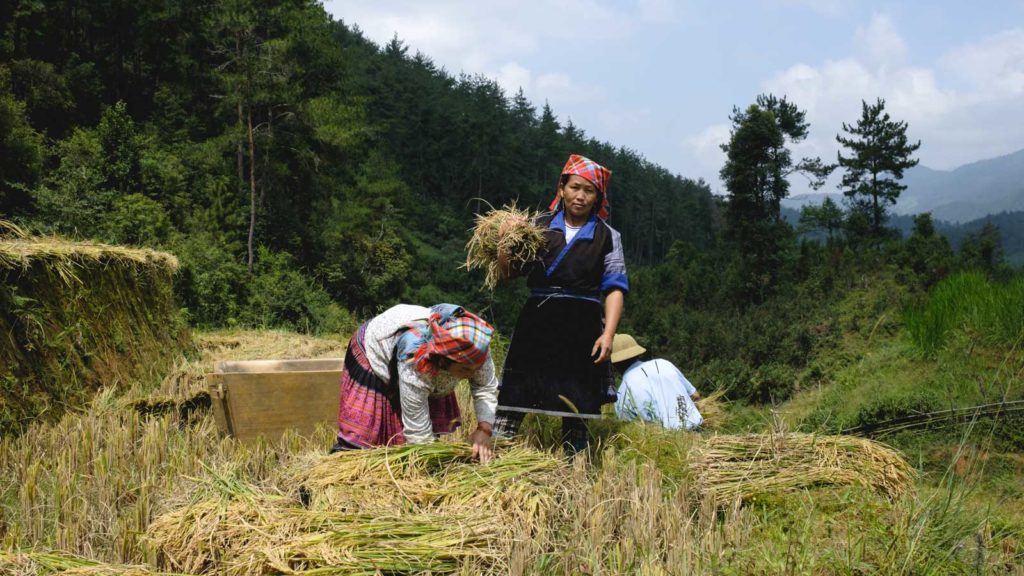
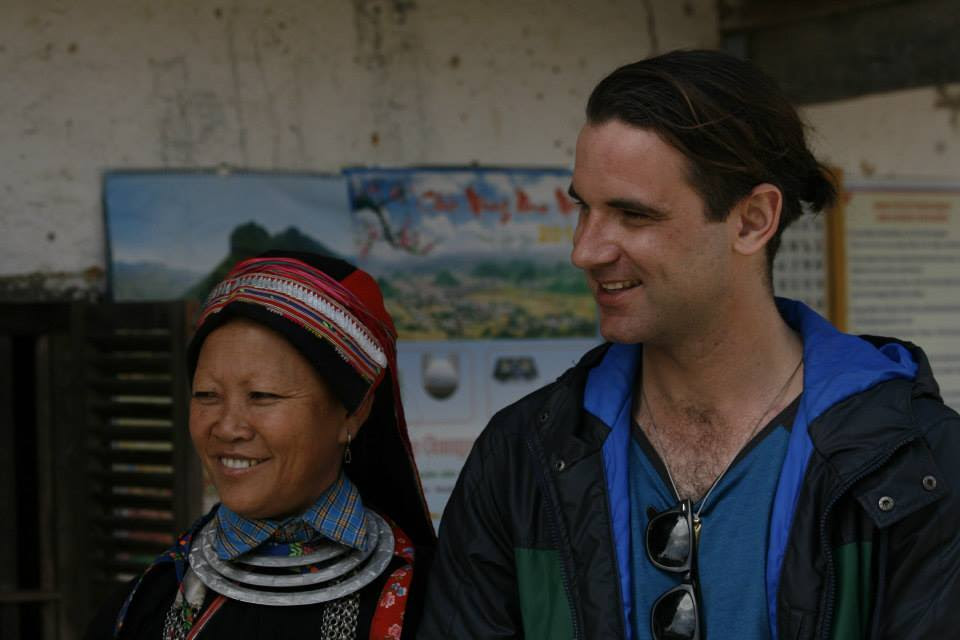
In Meo Vac, children still played in the streets, and the foreigners drew curious looks from locals, as there were no other tourists. People were friendly and spoke to them in Vietnamese. There was none of the holiday traffic seen today, and ethnic women still walked uphill carrying heavy baskets in the cold.
Co-Founding Vietnam in Focus
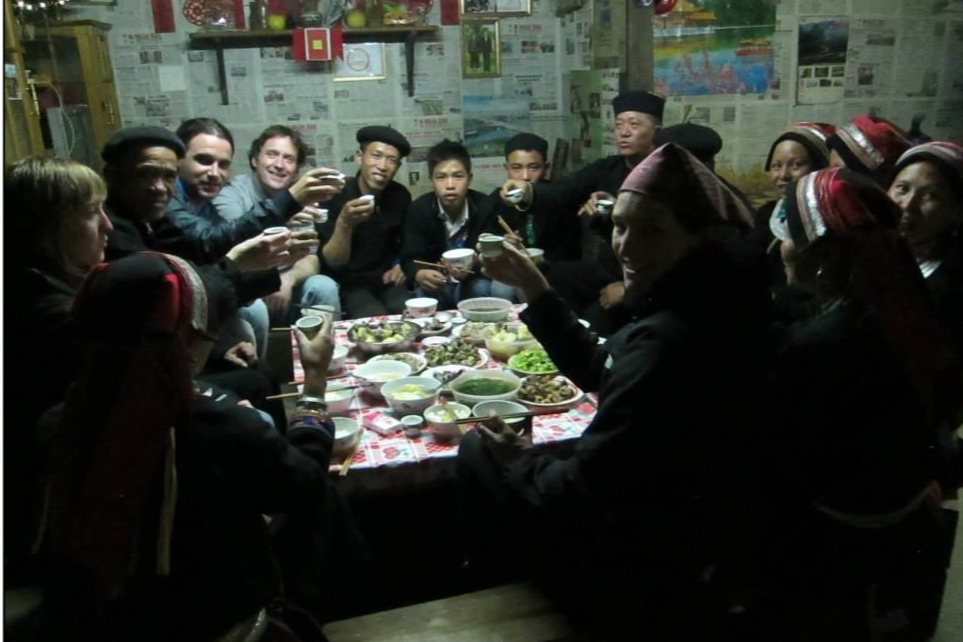
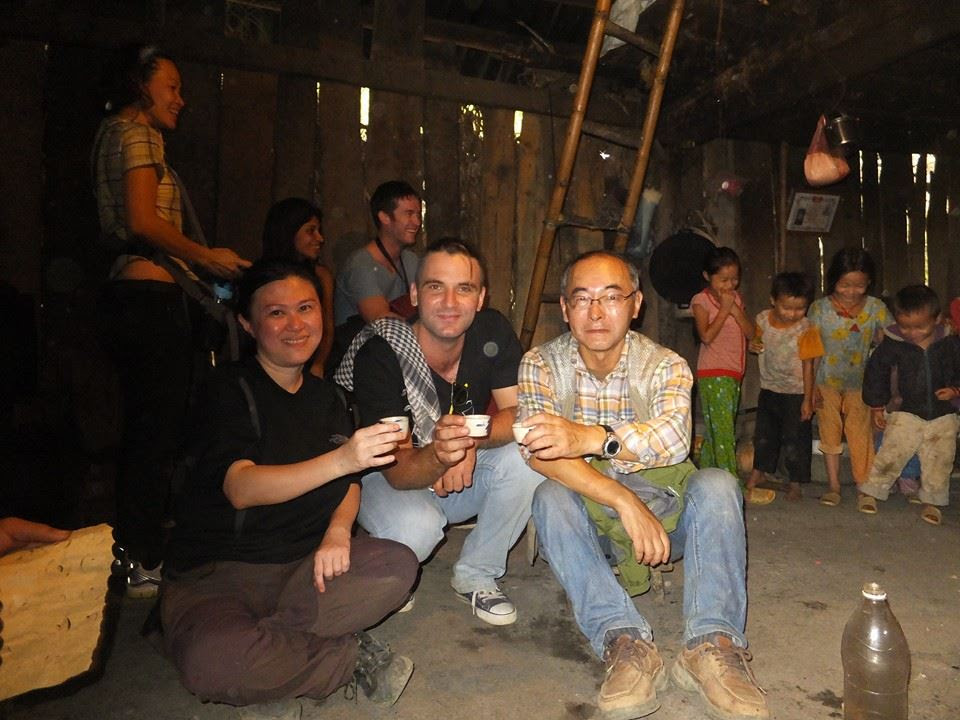
Alex returned many times and co-founded Vietnam in Focus in 2012. By 2013, he was leading motorbike photo tours for foreign visitors. A tour highlight was staying with an ethnic Dao family in Nam Dam Village, drinking corn wine, and joining a singing session.
Louise Murdoch, a Scottish traveler who joined one of Alex's tours for Tet 2014, also found Ha Giang remote and tourist-free, similar to his earlier description. Unable to speak the language, she observed daily life and was most struck by seeing people in new clothes celebrating along the mountain roads. She says she was lucky to visit Ha Giang when it was still truly off the beaten track.
The Reality of Mass Tourism
Fifteen years later, Alex notes that the biggest changes have been to infrastructure and tourism. The views from Ma Pi Leng Pass were wilder before 2018 when a dam changed the Nho Que River. In 2009, there were no viewpoints, railings, or designated photo stops.
The only option for travel was the route from Ha Giang to Yen Minh, Dong Van, and Meo Vac. The road to Du Gia Village remained rough until 2015. Crucially, the term “Ha Giang Loop” did not even exist; Alex only started hearing it around 2022 as tourism boomed.
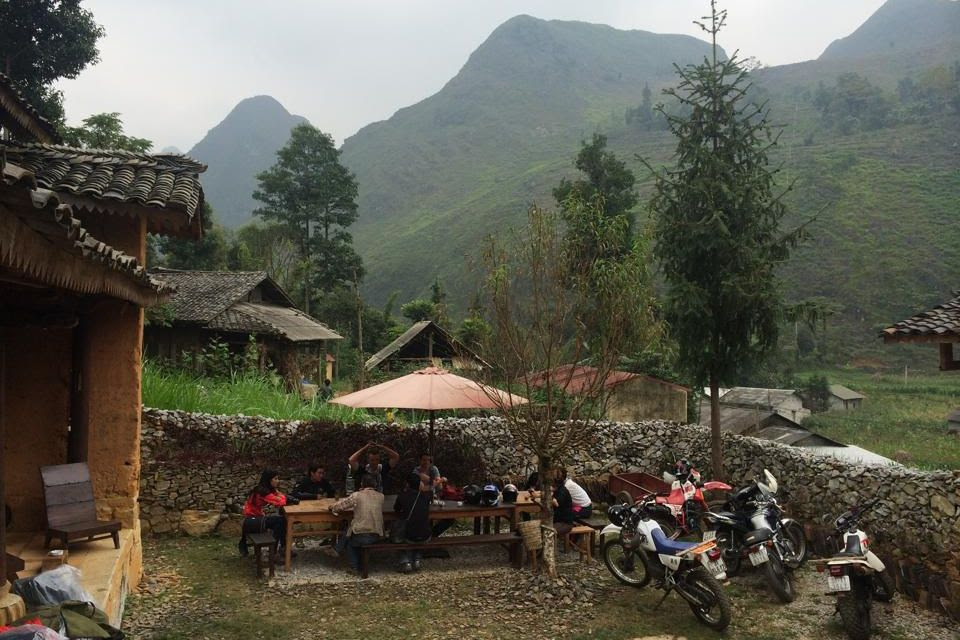
During his latest trip in 2025, he saw big changes in places like Nam Dam, where homestays had transitioned into eco-lodges with private rooms. This development, however, was accompanied by karaoke noise and long lines of motorbikes.
Visitor numbers have surged from about 48,000 in 2010 to nearly 600,000 in 2025. The quiet atmosphere is a thing of the past, as social media trends and “easy rider” tours have grown, and experts now warn that tourism is putting pressure on the region's nature and local culture.
"I'm glad people's livelihoods have improved," Alex said, "but I have to admit the place has lost some of its charm. That's just the reality of mass tourism".
Preserving Cultural Treasures
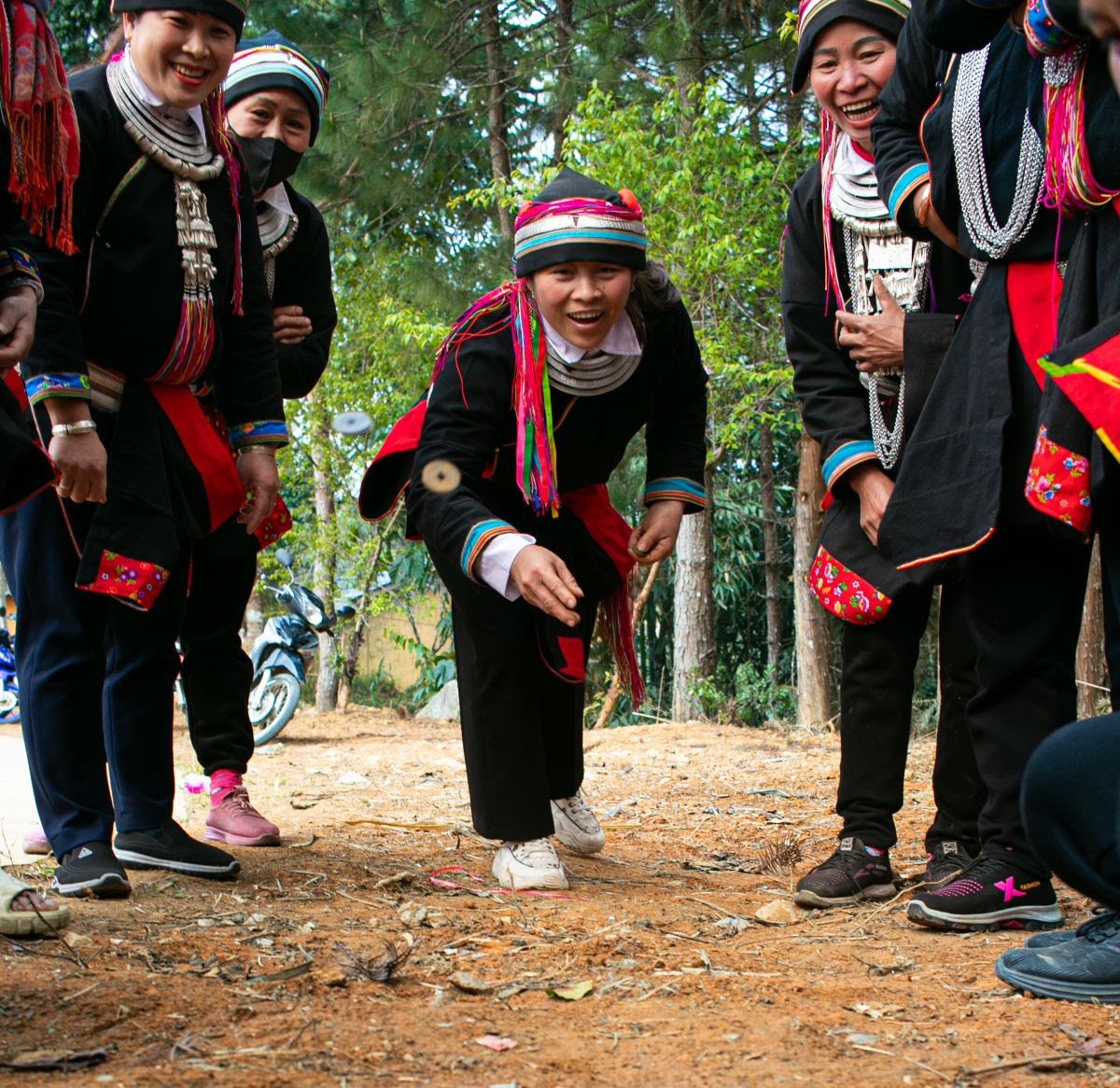
Despite the changes, Alex still has many local friends in Ha Giang. On his latest trip, his group of photographers stayed at a Dao family's home in Nam Dam and were delighted to witness the New Year's ceremony, visit a shrine in the forest, and take part in traditional games with the locals.
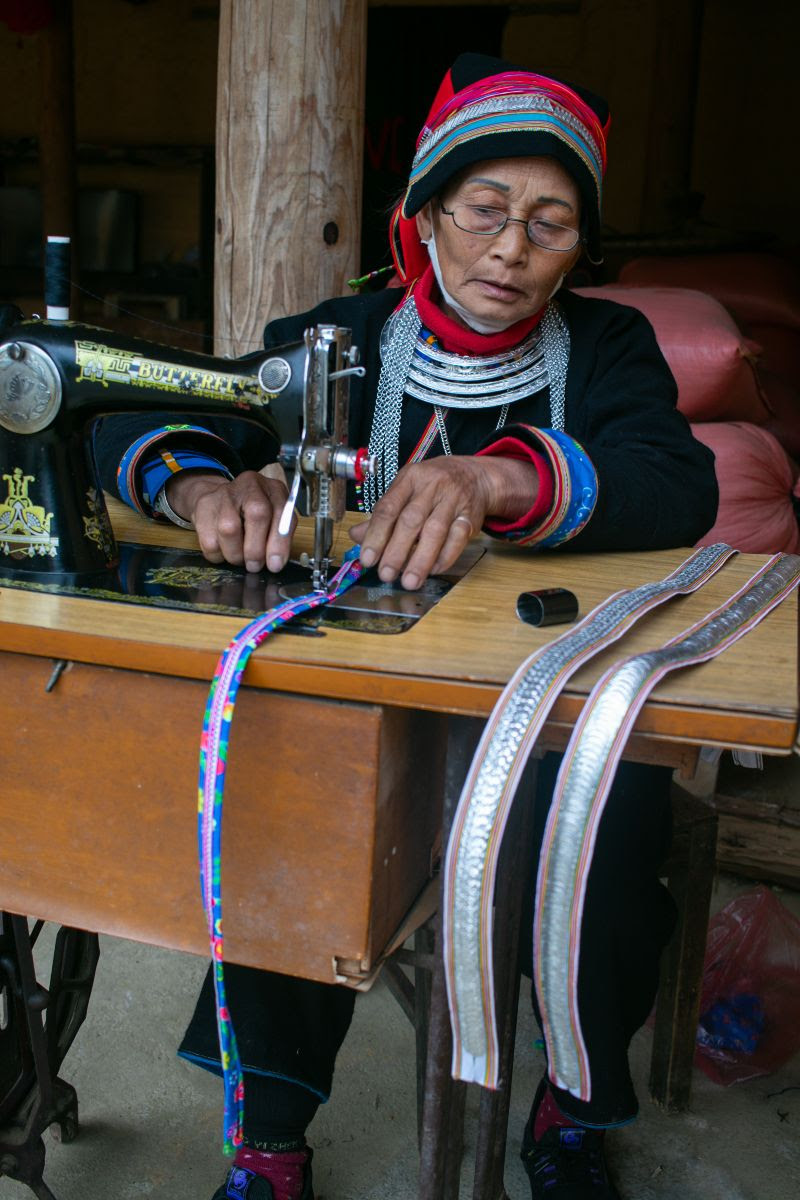
He advocates that sustainable tourism can help encourage the preservation of these traditions and cultural treasures. Now, that's enough of the old days! Want to get right off the beaten track and explore remote Lai Chau and Yen Bai provinces with your camera? Seats are filling up fast on our Golden Harvest photo adventure in October!